Sinangag (Filipino Garlic Fried Rice)
Day-old rice fried hard with plenty of golden garlic, a hit of salt, and a crack of pepper. The breakfast staple that anchors every silog and rescues every leftover, naturally pork-free.
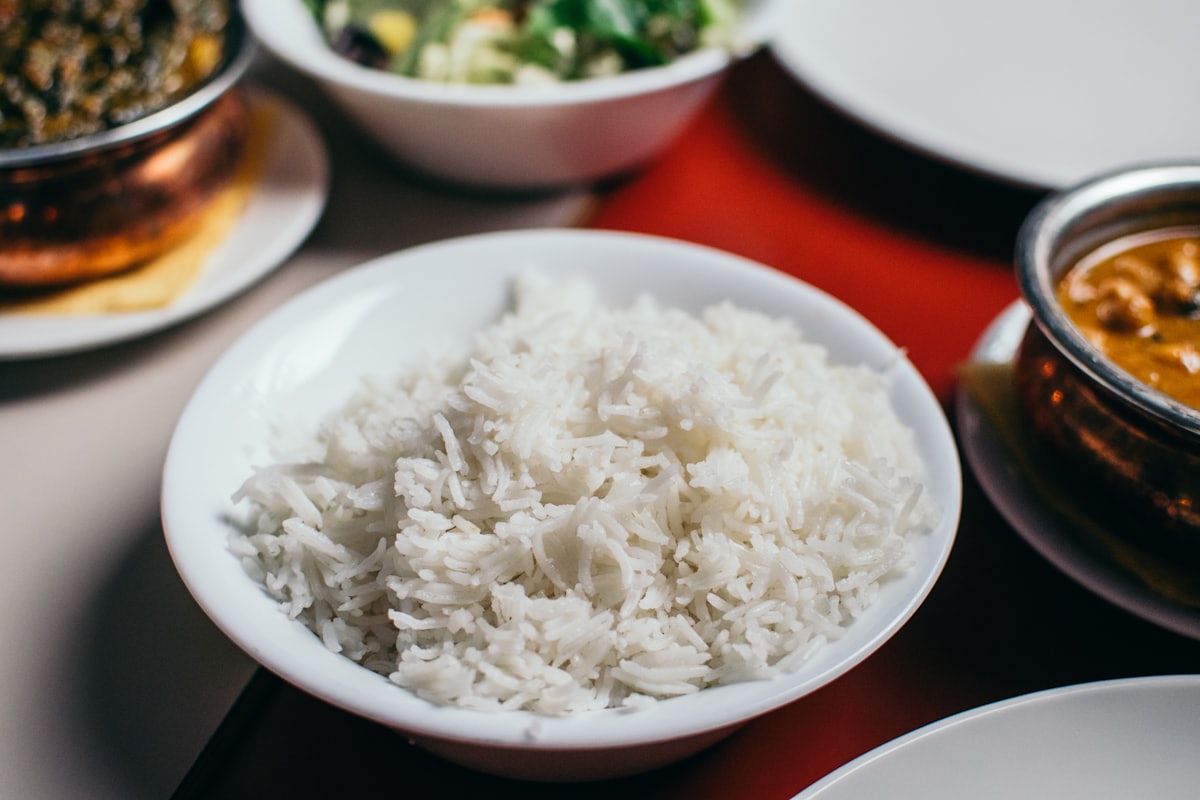
Ingredients
- 5 cups day-old cooked jasmine rice, cooled (about 4 cups fresh cooked rice, spread on a tray and dried for 30 minutes)
- 1 whole head garlic, cloves peeled
- 1 tsp coarse salt, plus more to taste
- 3 tbsp neutral oil
- 1 tbsp soy sauce (optional, for a golden tint and a touch of savor)
- 1/2 tsp freshly ground black pepper
- 2 green onions, thinly sliced (optional, for finishing)
- Calamansi wedges, for serving (optional)
Method
- Cook the rice a day ahead if you can, then chill it uncovered overnight. Cold, dry rice fries up loose and crisp instead of clumping into paste. If you forgot, spread freshly cooked rice on a tray and let it dry on the counter for at least 30 minutes, fluffing once.
- Mince the garlic by hand, or pulse in a small food processor, stopping before it becomes paste. You want real pieces that will fry to a light gold, not invisible flecks. Toss the garlic with the coarse salt, which draws out moisture and helps it crisp.
- Break up the cold rice with wet fingers or a wooden spoon so no clumps remain. Each grain should separate easily. This step is the difference between restaurant sinangag and a stodgy brick.
- Heat the oil in a large wok or wide heavy pan over medium-high until it shimmers. Add the garlic and salt and fry, stirring constantly, for 1 to 2 minutes until the garlic turns pale gold. Pull the pan off the heat the second the edges deepen, since garlic burns in seconds and burnt garlic ruins the whole dish.
- Return the pan to the heat and add the rice all at once. Toss and fold with two utensils for 4 to 5 minutes so every grain passes through the hot oil and the garlic is evenly distributed. Press the rice against the hot surface now and then to develop a few crisp edges.
- Drizzle the soy sauce around the edge of the pan if using, not directly on the rice, then toss hard so the color comes out even instead of blotchy. Season with pepper and salt to taste.
- Pile onto a plate, scatter with green onions if using, and serve right away with calamansi wedges on the side.
Sinangag is the smoky, garlicky fried rice that Filipino kitchens turn to the morning after a big meal. It exists because every Filipino household cooks too much rice on purpose, so there is cold rice waiting for breakfast. Day-old rice fries up loose and separate where fresh rice collapses into paste, and that texture is the whole point.
The other half of the dish is garlic, and a lot of it. A whole head, minced and fried golden in oil, flavors the rice twice: first the infused oil coats every grain, then the toasted garlic bits scatter through it. A good sinangag smells like a kitchen you want to walk into.
Sinangag is also the foundation of every silog, the family of Filipino breakfast plates built on sinangag (sin) and itlog (log, egg). Tapa-silog, longsilog, bangsilog, the list goes on. The silog plate in many homes leans on cured pork like tocino, longganisa, or tapa, so for a pork-free breakfast, lean on chicken, beef, seafood, or a fried egg. The rice does not care what sits beside it.
Cook’s notes
- The rice is the whole game. Cold, dry, day-old jasmine rice fries up loose and golden. If your rice is fresh, dry it on a tray for 30 minutes. Short-grain or sticky rice will not work here, since it clumps no matter what you do.
- Break the rice before it hits the pan. Cold rice holds its shape in lumps. Crumble it with wet fingers or the back of a spoon first, so the pan time goes into frying, not declumping.
- Salt the garlic while you mince. A pinch of coarse salt pulled across the garlic with the flat of a knife both seasons it and helps it crisp in the pan.
- Hot pan, constant motion. Once the rice goes in, keep it moving so it fries instead of steaming. Pressing it against the surface for a few seconds at a time develops the crisp, slightly chewy bits that make sinangag better than plain rice.
- Make it a meal. Sinangag shines next to a saucy braise. Pile it under Chicken Adobo, scoop it alongside Beef Kaldereta, or top it with a fried egg and a squeeze of calamansi for a quick silog.
Once you have the technique down, the same hot-pan method carries into Pancit Bihon, and the Filipino pantry guide walks through the rest of the everyday shelf. Every recipe on Ayoko ng Baboy follows the same rule: classic Filipino food, cooked without pork.
Questions about this recipe
Can I make sinangag with freshly cooked rice?
You can, but it takes a little help. Spread the hot rice on a tray and let it dry on the counter for at least 30 minutes, fluffing once or twice so the steam escapes. Freshly cooked rice holds too much moisture and tends to clump and turn gummy in the pan. Day-old chilled rice is always the better bet.
Why does my garlic burn so fast?
Garlic goes from golden to bitter in seconds, and a hot pan keeps cooking it even after you pull it off the flame. Fry it in oil that has fully come to temperature, stir the whole time, and lift the pan off the heat the moment the edges turn deeper than straw blond. The residual heat finishes the job.
How much garlic is too much?
There is no real ceiling for garlic lovers, and a full head for five cups of rice is standard. If you are unsure, start with half a head and fry the rest on the side as toasted garlic to sprinkle over the finished plate.
Is sinangag halal and pork-free?
Yes. Sinangag is garlic, rice, oil, and salt, with no pig-derived ingredient. The traditional breakfast often pairs it with cured pork, so for a pork-free plate, serve it with [Chicken Adobo](/recipes/chicken-adobo/), a fried egg, or pan-fried fish instead.
Sources
Why the day-old rice rule matters
This is the one dish on the site where cooling leftover rice properly is a food safety question and not a texture preference, so the storage line above defers to the agencies.
- FoodSafety.gov, for cooling and storing cooked rice and for reheating leftovers safely.
- USDA FoodData Central, for the composition of white rice and garlic.
- DOST Food and Nutrition Research Institute (Philippines), for Philippine composition data on the rice varieties sold locally.